Op-Ed: Preserving the Cars That Preserve Our Memories
Classic cars are more than machines.
By Ellen Chiu
Contributor, Auto News
Classic cars are more than machines.
They are family history, engineering lessons, road trip memories, and reminders of a time when cars had distinct personalities. Some were beautiful. Some were odd. Some were practical. Some were underappreciated. But each one represented the creativity, ambition, and character of the era that produced it.
As a former Mechanical Engineer at Boeing, I have always appreciated machines that tell a story through their design. Modern vehicles are remarkable, but older cars ask something different of their owners. They require patience, attention, and a willingness to understand how mechanical systems work.
That is part of what makes them special.
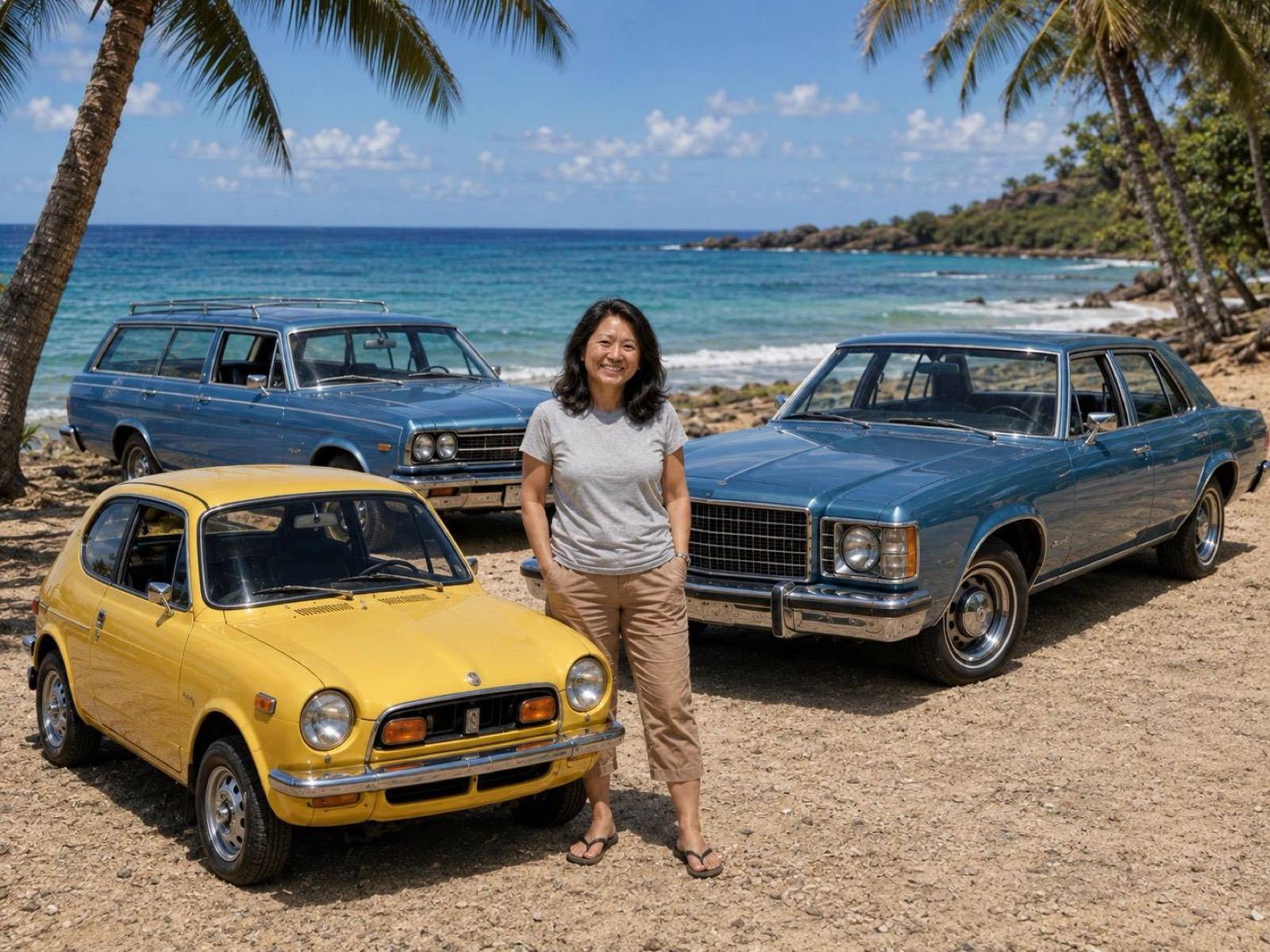
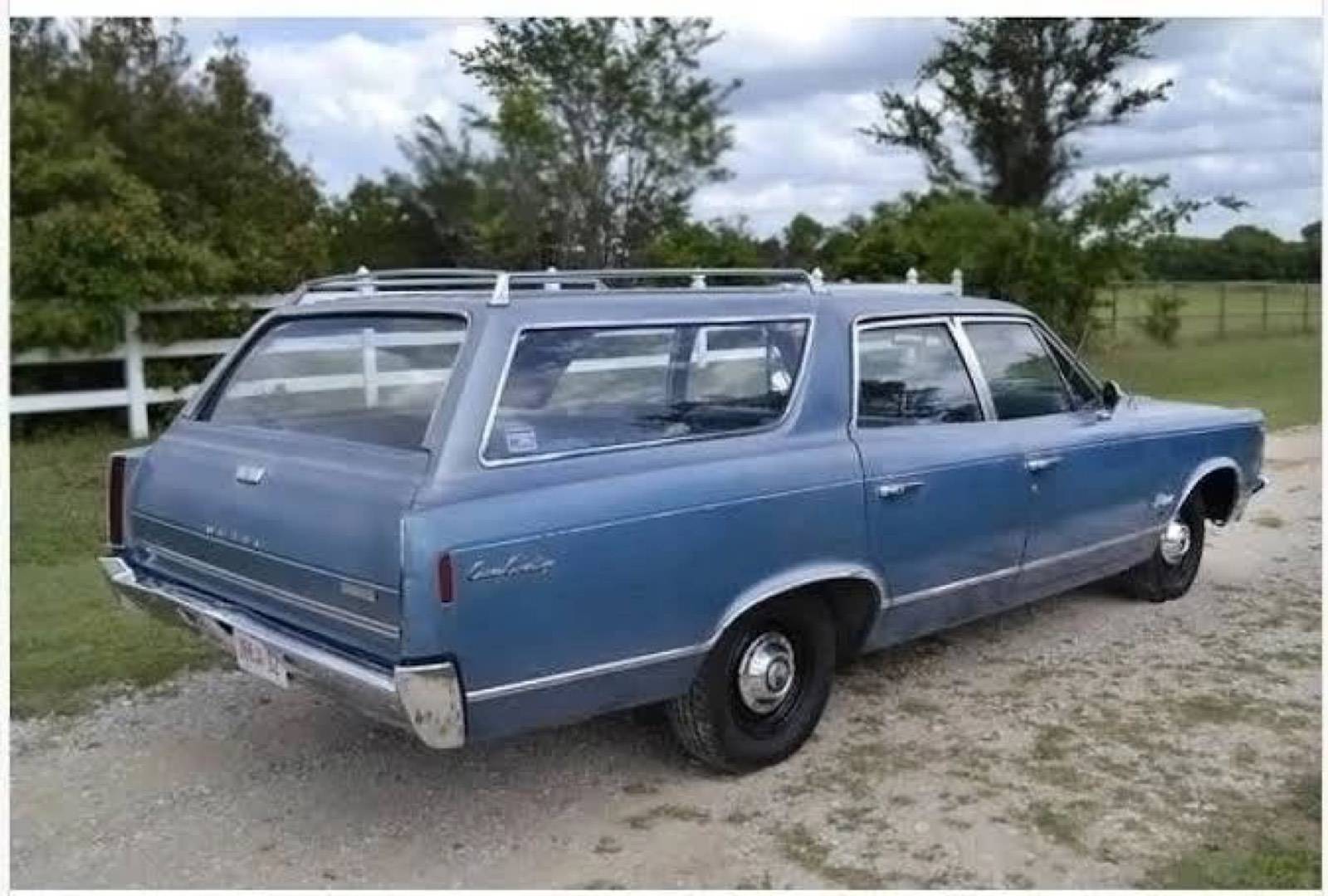
My own love of cars has never been limited to the obvious collector models. I have always had a passion for niche, rare, and unusual older vehicles. In my garage, that passion lives through a 1976 Ford Granada, a 1967 Rambler Rebel Cross Country Station Wagon, and a 1972 Honda Z600.
None of them are the kind of cars most people immediately picture when they hear the words “classic car.” But to me, that is exactly why they matter.
The Ford Granada has been in our family since the 1980s. It was given to me by my mother, which makes it more than just a car. Every time I see it, I think about family, time, and the quiet responsibility of preserving something that was handed down.
The 1967 Rambler Rebel Cross Country Station Wagon has an even longer family connection.
It was bought brand new in 1967 for about $3,000. My father paid for it with a check and ordered it from the factory to his specifications. That alone makes the car special, but the details make it even more meaningful.
At a time when many safety features were not yet required, he ordered the Rambler with seat belts for both the front and rear seats. It also had window screens, making it especially practical for family travel. What it did not have was power steering or power brakes, which meant driving it required a more direct mechanical connection between the person behind the wheel and the machine itself.
That Rambler was more than transportation. It was part of our family’s story.
Before it was shipped back to Hawaii, my family took it on a road trip across America. That wagon carried people, luggage, conversations, scenery, and memories across the country. Cars like that do not just transport families. They become part of the family.
Then there is my 1972 Honda Z600.
That was the first car I bought when I was in college, before I even knew how to drive a manual transmission. I did not buy it because it was practical. I bought it because I knew it was something special.
Honda’s early 600 cars represented a fascinating moment in automotive history. They were tiny, efficient, clever, and very different from the large American cars that dominated the roads at the time. The N600 was Honda’s first automobile sold in America, and the Z600 followed as part of that same early wave of Honda cars that helped introduce American drivers to a completely different way of thinking about transportation.
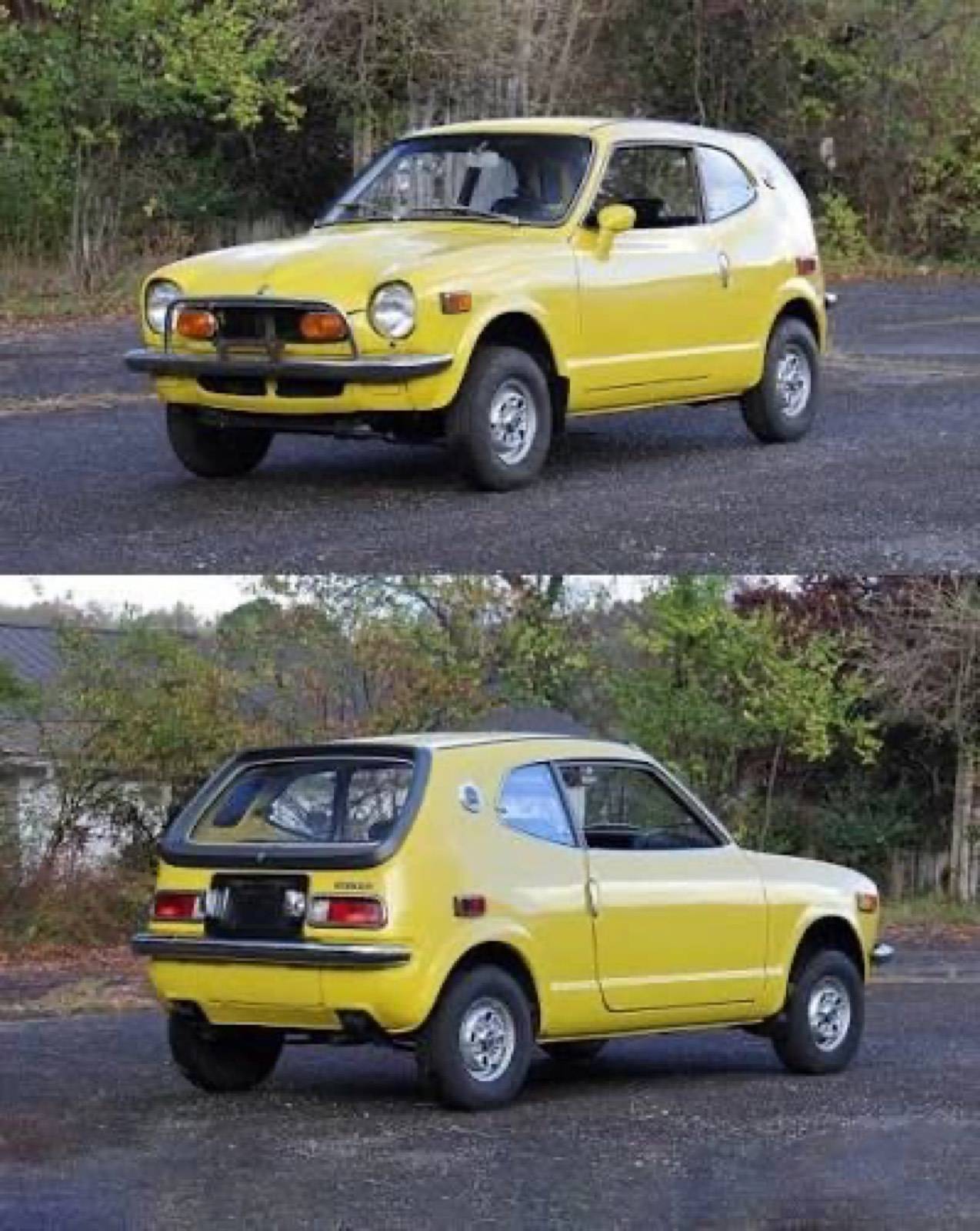
To me, the Z600 represents curiosity and confidence. With a 2-cylinder air-cooled engine, It was small, unusual, and charming. It was the kind of car that made people stop and ask questions. More importantly, it reminded me that engineering does not have to be large to be meaningful.
Each of these cars is different, but they share one thing in common: they deserve to be cared for properly.
Classic car ownership is not just about having something old in the garage. It is about stewardship.
Older vehicles were built in a different era, with different materials, different tolerances, and different expectations. Many classic cars sit for long periods between drives. Some are started only occasionally. Others see seasonal use, weekend trips, local shows, or short drives around town.
That kind of usage can be hard on an engine.
When a car sits, oil drains away from critical surfaces. Seals age. Moisture can build up. Cold starts become more stressful. Engines that have covered decades of use may develop oil consumption, reduced compression, or additional mechanical noise.
That is why thoughtful maintenance matters.
For classic car owners, the basics always come first: regular oil changes, clean filters, fresh coolant, healthy belts and hoses, good fuel, proper tire care, brake inspections, and attention to leaks. There is no substitute for mechanical responsibility.
But choosing the right oil treatment can also be part of a smart preservation routine.
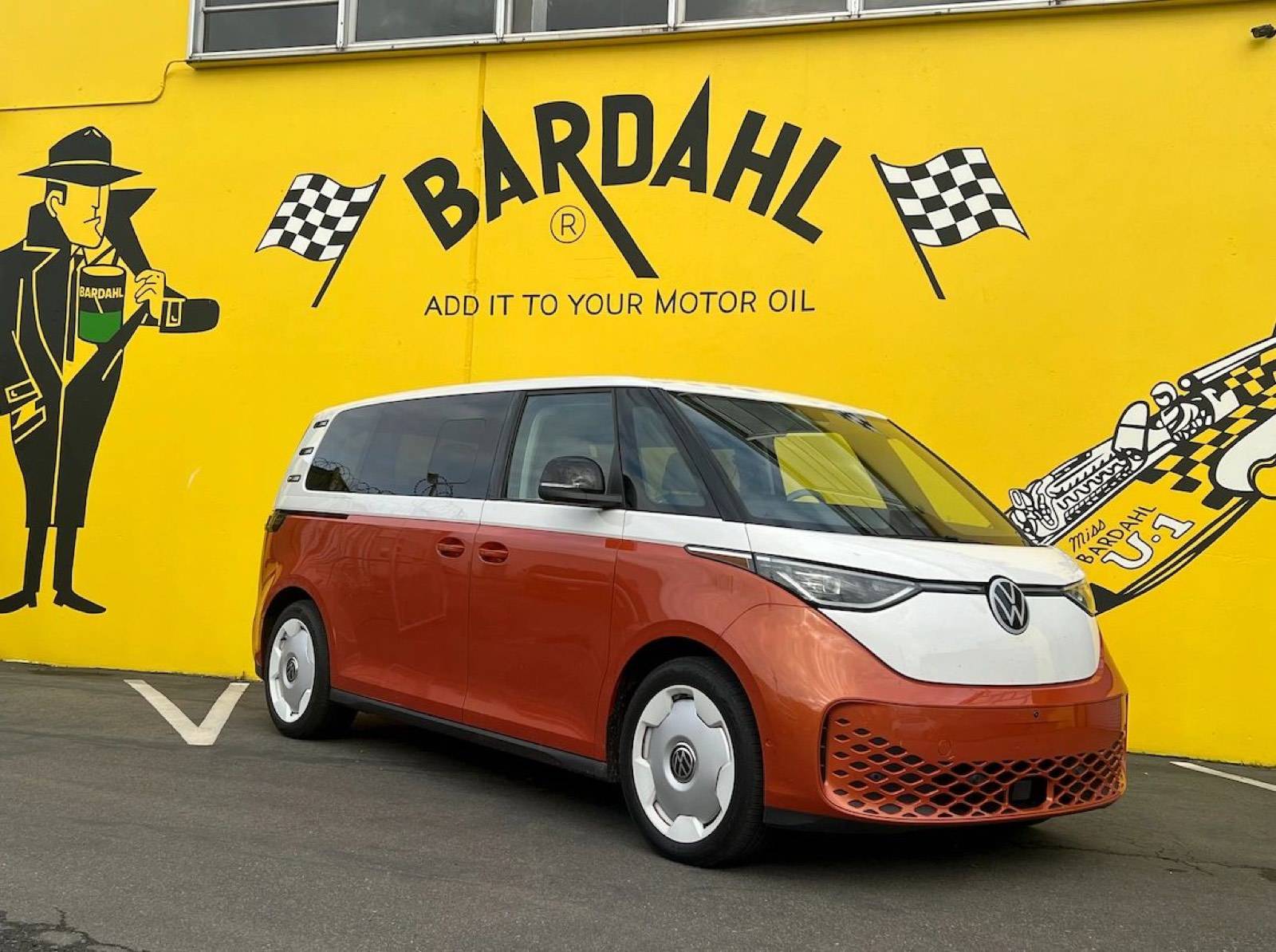
Bardahl Full Metal is one product that fits naturally into the conversation for classic and older performance cars. It is designed to enhance engine oil with added anti-wear protection and includes a concentrated ZDDP formula, which is a term many classic car owners recognize because of its connection to valvetrain protection in older engine designs.
For older muscle cars, vintage American engines, and collectible vehicles that may sit between drives, added protection during cold starts is especially important. Full Metal is also designed to help reduce friction, support compression, and improve engine performance.
That makes it relevant not only for cars that are driven regularly, but also for cars that are preserved carefully and exercised occasionally.
Bardahl B2 Oil Treatment is another useful option, particularly for older engines that have seen more miles. It is formulated to enhance motor oil, reduce oil consumption, improve oxidation protection, restore compression and power, and provide additional anti-wear and anti-friction support.
That matters because many classic cars are not freshly rebuilt showpieces. They are survivors. They have lived real lives. They have been driven, parked, repaired, stored, restarted, and driven again. A good older engine may still be perfectly serviceable, but age can show up in small ways.
B2 is not a replacement for proper repairs. No additive can substitute for good maintenance, sound mechanical judgment, or rebuilding an engine when that time comes.
But for an older vehicle that is still healthy and being responsibly maintained, it can be one more tool to help protect the engine and keep it feeling strong.
That is the way I think about classic car care.
It is not about shortcuts. It is about respect.
The Granada, the Rambler, and the Honda all represent different parts of my life. One connects me to my mother. One carries the memory of a family road trip across America. One reminds me of being young, in college, and willing to buy a manual-transmission car before I even knew how to drive it.
Those stories are worth preserving.
Classic cars should not be treated as disposable objects or static decorations. They are living machines. They should be maintained, driven, shared, and understood. Every oil change, every careful start, every weekend spent checking fluids or listening for a new sound is part of the relationship between owner and automobile.
For those of us who love older cars, that relationship is the reward.
Bardahl has long been connected to enthusiasts who care about keeping engines running strong, and products like Full Metal and B2 Oil Treatment speak directly to that mindset. They support the idea that preserving a car means paying attention to what is happening inside the engine, not just polishing what people see on the outside.
Classic car ownership is not always easy. Sometimes it means tracking down hard-to-find parts. Sometimes it means solving problems that modern cars have engineered away. Sometimes it means accepting quirks as part of the experience.
But when everything comes together, when an older engine starts, settles into its rhythm, and carries you down the road, it is worth it.
Because classic cars do not just preserve automotive history.
They preserve family history.
They preserve engineering history.
And for people like me, they preserve the joy of understanding and caring for machines that still have stories left to tell.
About the Author
Ellen Chiu is a Contributor to Auto News. Born in New York City and raised in Hawaii, she earned a Mechanical Engineering degree from the University of Hawaii and worked as a Mechanical Engineer at companies including Rockwell and Boeing. A lifelong car enthusiast, Chiu has a special passion for niche collector cars and currently maintains a 1976 Ford Granada, a 1967 Rambler Rebel Cross Country Station Wagon, and a 1972 Honda Z600.

Get Auto News in your inbox
New reviews, event invitations and each print issue the day it lands. Free, weekly-ish, unsubscribe anytime.